How Does a Top Ophthalmologist Diagnose Eye Problems?
Healthy eyesight plays an important role in everyday life, from reading and working to driving and recognising faces. However, many eye conditions develop gradually and may not cause noticeable symptoms during their early stages. Regular eye examinations help identify these problems before they begin affecting vision significantly. An experienced eye specialist uses a combination of clinical examinations, diagnostic tests, and advanced technology to understand the condition of the eyes and recommend suitable treatment.
Consulting a top ophthalmologist in Delhi can help patients receive a detailed eye evaluation and understand the possible causes of their vision-related concerns. But how exactly does an ophthalmologist diagnose eye problems? The process involves several important steps, depending on the patient's symptoms, medical history, and overall eye health.
1. Understanding Symptoms and Medical History
The diagnostic process generally begins with a detailed discussion about the patient's symptoms and medical background. An ophthalmologist may ask whether the patient experiences blurred vision, eye pain, redness, itching, excessive watering, headaches, or difficulty seeing objects clearly.
The doctor may also enquire about previous eye injuries, existing medical conditions, family history of eye diseases, and current medications. Conditions such as diabetes and high blood pressure can sometimes affect eye health and increase the risk of certain vision complications.
This initial consultation helps an eye care specialist understand the patient's concerns and decide which examinations are necessary.
2. Checking Visual Acuity
A visual acuity test is one of the most common examinations performed during an eye checkup. It measures how clearly a person can see objects at different distances.
Patients are generally asked to read letters or symbols displayed on an eye chart. Each eye is tested separately to identify differences in vision. This examination helps detect common refractive errors, including:
- Myopia (nearsightedness)
- Hyperopia (farsightedness)
- Astigmatism
- Presbyopia (age-related difficulty focusing on nearby objects)
Based on the results, the ophthalmologist may recommend corrective glasses, contact lenses, or further evaluation if another eye condition is suspected.
3. Examining the Front Part of the Eye
The front structures of the eye include the cornea, iris, lens, and conjunctiva. These parts play an important role in focusing light and maintaining clear vision.
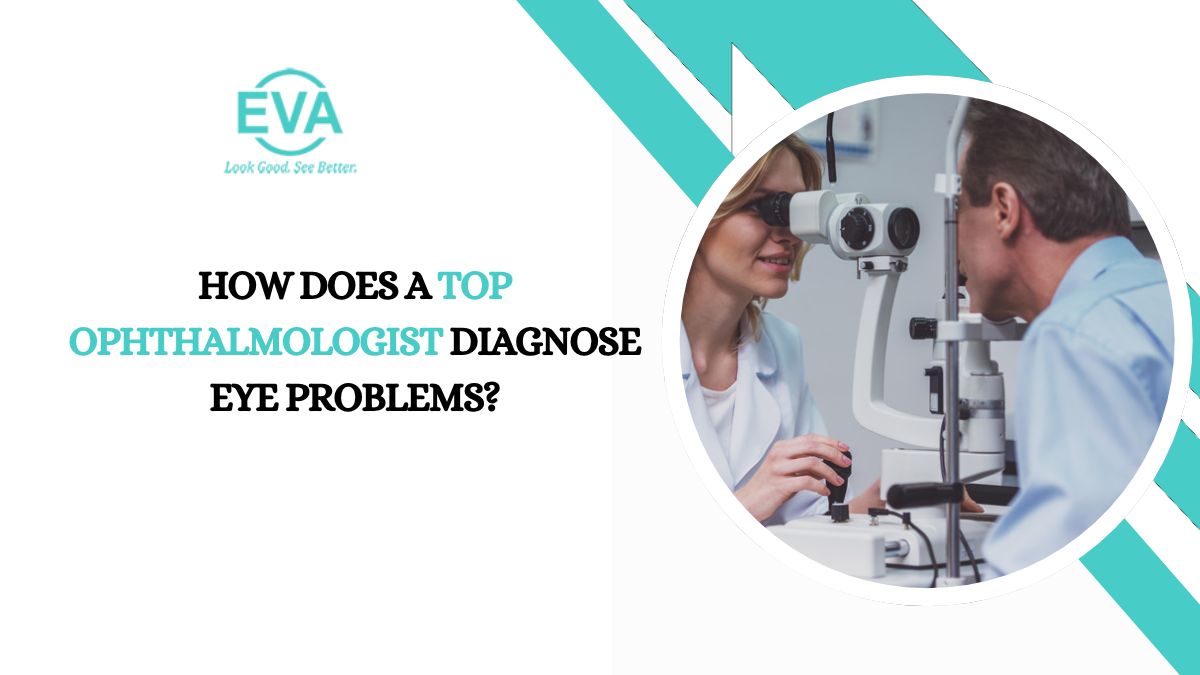
An ophthalmologist may use a slit-lamp microscope to examine these structures closely. This instrument provides a magnified view of the eye and helps identify abnormalities that may not be visible during a basic examination.
A slit-lamp examination can help detect conditions such as cataracts, corneal infections, inflammation, dry eye-related changes, and other abnormalities affecting the front portion of the eye.
Patients experiencing persistent redness, irritation, or blurred vision may benefit from a detailed anterior eye examination.
4. Measuring Eye Pressure to Detect Glaucoma
Increased pressure inside the eye can damage the optic nerve and may lead to glaucoma. One of the important diagnostic procedures used to evaluate this risk is tonometry, which measures intraocular pressure.
An ophthalmologist may use different instruments to perform this test. Depending on the method, it may involve a gentle probe or a controlled puff of air directed towards the eye.
However, eye pressure alone cannot confirm or rule out glaucoma. The doctor may also examine the optic nerve, assess the visual field, and recommend additional tests when necessary.
Early glaucoma detection is particularly important because the condition may progress without noticeable symptoms in its initial stages.
5. Examining the Retina and Optic Nerve
The retina is the light-sensitive layer located at the back of the eye, while the optic nerve carries visual information from the retina to the brain. Examining these structures helps ophthalmologists identify several serious eye conditions.
A dilated eye examination may be performed using special eye drops that temporarily widen the pupils. This allows the doctor to obtain a better view of the retina and optic nerve.
The examination can help identify:
- Diabetic retinopathy
- Age-related macular degeneration
- Retinal tears or detachment
- Optic nerve abnormalities
- Changes associated with high blood pressure
Patients with diabetes may require regular retinal screening because diabetic eye disease can develop even when their vision initially appears normal.
6. Using Advanced Diagnostic Imaging
Modern ophthalmology uses advanced imaging technology to examine internal eye structures in greater detail. These diagnostic tools help doctors understand the severity and location of certain abnormalities.
Some commonly used investigations include:
Optical Coherence Tomography (OCT): This non-invasive imaging test creates detailed cross-sectional images of the retina and optic nerve. It is commonly used to evaluate glaucoma, macular conditions, and retinal disorders.
Fundus Photography: This technique captures photographs of the back of the eye, helping doctors document and monitor retinal changes over time.
Corneal Topography: This test maps the shape and curvature of the cornea. It can be useful when evaluating corneal irregularities and planning certain vision correction procedures.
Visual Field Testing: Also known as perimetry, this examination measures the patient's peripheral vision and helps identify areas of reduced vision, particularly in glaucoma evaluation.
A specialist may recommend one or more of these tests depending on the symptoms and suspected eye condition.
7. Identifying the Exact Eye Condition
After completing the required examinations, the ophthalmologist evaluates the findings to determine the possible cause of the patient's symptoms.
For example, blurred vision may result from refractive errors, cataracts, retinal disorders, or problems affecting the optic nerve. Similarly, headaches and eye strain may sometimes be associated with uncorrected vision problems.
An experienced eye doctor considers multiple factors rather than relying on a single test result. This detailed assessment helps establish an accurate diagnosis and reduces the possibility of overlooking underlying eye conditions.
Patients searching for a top eye specialist in Delhi should consider the importance of proper diagnostic evaluation, relevant clinical experience, and access to appropriate testing facilities.
8. Recommending a Suitable Treatment Plan
Once the diagnosis is established, the ophthalmologist explains the condition and discusses available treatment options. The recommended approach depends on the type of eye problem, its severity, the patient's age, and overall health.
Treatment may include:
- Prescription spectacles or contact lenses for refractive errors.
- Eye drops or medications for selected infections and inflammatory conditions.
- Cataract surgery when the clouded natural lens affects vision.
- Glaucoma management to control eye pressure and protect the optic nerve.
- Retinal treatments or specialist procedures for certain retinal disorders.
- Lifestyle guidance and regular monitoring for long-term eye health.
A good treatment plan also includes follow-up appointments to assess progress and make adjustments when required.
Why Is Regular Eye Examination Important?
Many eye diseases do not produce obvious warning signs during their early stages. Regular eye checkups allow ophthalmologists to identify potential problems, monitor existing conditions, and recommend timely care.
Eye examinations are particularly important for children, older adults, people with diabetes, individuals with a family history of glaucoma, and those experiencing frequent changes in vision.
Even when eyesight seems normal, periodic screening can help detect hidden eye health concerns.
How to Choose the Right Ophthalmologist in Delhi?
Choosing an eye specialist involves more than looking at online ratings or promotional claims. Patients should consider the doctor's qualifications, clinical experience, area of specialisation, diagnostic facilities, and approach towards patient care.
Before selecting an eye doctor, consider the following factors:
- Relevant medical qualifications and ophthalmology training.
- Experience in diagnosing and managing specific eye conditions.
- Availability of appropriate diagnostic equipment.
- Clear explanations of diagnosis and treatment choices.
- Transparent communication about procedures, costs, and follow-up care.
People looking for the best ophthalmologist in Delhi should prioritise qualified medical expertise and a thorough diagnostic approach rather than relying on rankings alone.
Conclusion
Diagnosing eye problems requires a systematic approach that combines medical history, vision testing, clinical examinations, and advanced diagnostic investigations. From checking visual acuity and eye pressure to examining the retina and optic nerve, every step helps ophthalmologists understand the patient's eye health more accurately.
Consulting a qualified top ophthalmologist in Delhi can help patients receive appropriate evaluation, understand their condition, and explore suitable treatment options. Most importantly, regular eye examinations and timely medical attention play a valuable role in protecting long-term vision.