What Happens If Cataracts Are Left Untreated? Important Facts Revealed
Cataracts are one of the most common eye conditions affecting millions of people worldwide, especially as they age. While cataracts usually develop gradually, many people delay treatment because the symptoms seem manageable at first. However, postponing treatment can lead to serious vision problems and affect daily life significantly.
If you are experiencing cloudy vision, difficulty reading, glare from lights, or reduced visual clarity, understanding the risks of untreated cataracts is essential. Consulting a qualified cataract surgeon at the right time can help prevent complications and protect your long-term eye health.
What Are Cataracts?
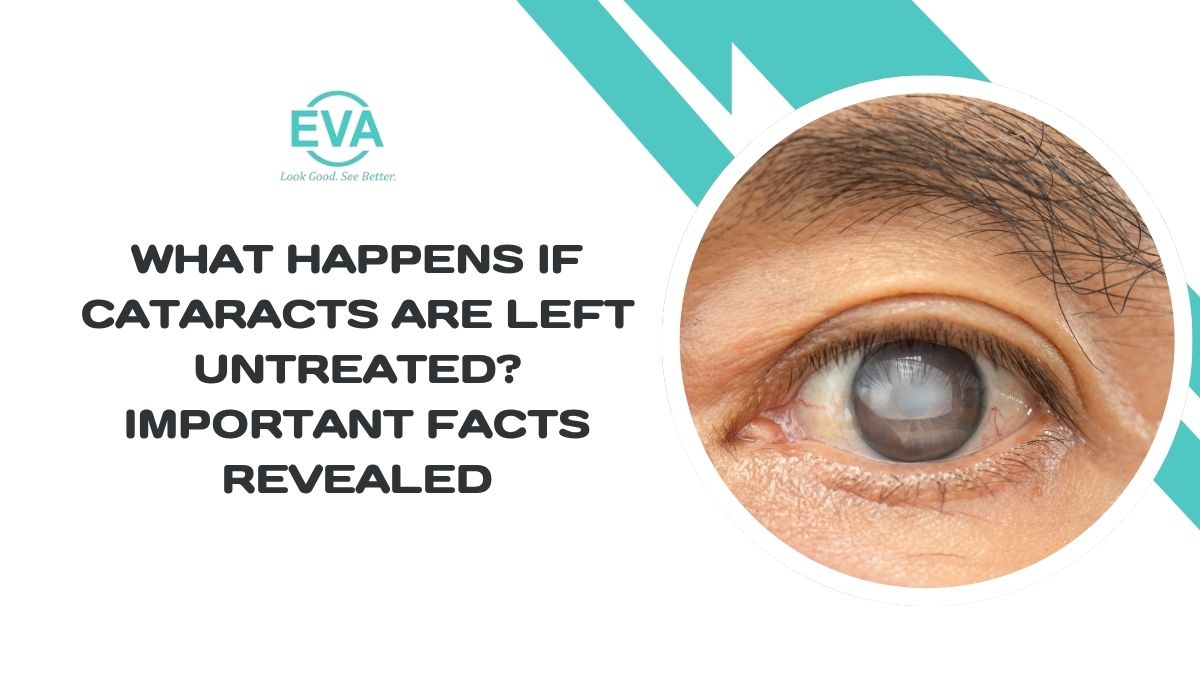
A cataract occurs when the natural lens inside the eye becomes cloudy. The lens is responsible for focusing light onto the retina, helping us see clearly. When the lens becomes cloudy, vision gradually becomes blurred, hazy, or dim.
Cataracts are most commonly associated with aging, but they can also develop due to:
- Diabetes
- Eye injuries
- Long-term steroid use
- Excessive UV exposure
- Smoking
- Genetic factors
In the early stages, cataracts may cause only mild symptoms. However, as the condition progresses, vision impairment becomes more noticeable and can interfere with everyday activities.
Understanding Cataract Progression
Cataracts do not usually develop overnight. They progress slowly over months or years.
Early Stage Cataracts
During the initial phase, symptoms may include:
- Slightly blurred vision
- Increased sensitivity to light
- Difficulty seeing at night
- Frequent changes in eyeglass prescriptions
Many people continue normal activities without realizing that the cataract is gradually worsening.
Moderate Cataracts
As cataract progression continues, symptoms become more pronounced:
- Cloudy or hazy vision
- Difficulty reading
- Problems driving at night
- Increased glare from headlights
- Fading or yellowing of colors
Advanced Cataracts
Without proper treatment, cataracts can become advanced or mature, causing severe visual impairment and significantly affecting quality of life.
What Happens If Cataracts Are Left Untreated?
Ignoring cataracts can result in several complications beyond simple blurred vision.
1. Progressive Vision Loss
One of the most common consequences of untreated cataracts is gradual vision deterioration.
As the lens becomes increasingly opaque, less light reaches the retina. This can make activities such as reading, driving, watching television, and recognizing faces extremely difficult.
Over time, vision loss due to cataracts may become severe enough to impact independence and daily functioning.
2. Increased Risk of Cataract-Related Blindness
Although cataract-related blindness is generally preventable with timely treatment, delaying surgery for too long can lead to significant visual impairment.
In advanced cases, patients may only be able to distinguish light from darkness. While cataract surgery often restores vision, waiting until the cataract becomes extremely dense can make treatment more challenging.
3. Difficulty Performing Everyday Activities
Untreated cataracts can interfere with:
- Reading books and newspapers
- Using mobile phones and computers
- Driving safely
- Cooking and household tasks
- Walking independently
Even simple activities may become frustrating and unsafe when vision continues to decline.
4. Higher Risk of Falls and Injuries
Poor vision is a major risk factor for falls, especially among older adults.
People with advanced cataracts often struggle with:
- Judging distances
- Detecting obstacles
- Navigating stairs
- Walking in low-light conditions
Falls can lead to fractures, head injuries, and loss of mobility, making timely cataract management extremely important.
5. Increased Sensitivity to Glare
Many cataract patients experience severe glare from sunlight, headlights, and bright indoor lighting.
As cataracts worsen:
- Night driving becomes difficult
- Outdoor activities become uncomfortable
- Visual clarity decreases significantly
This sensitivity can restrict mobility and reduce confidence in daily activities.
6. Reduced Quality of Life
Vision plays a crucial role in maintaining independence and social engagement.
People with untreated cataracts often experience:
- Reduced confidence
- Social isolation
- Difficulty participating in hobbies
- Increased dependence on family members
Maintaining healthy vision is essential for both physical and emotional well-being.
Advanced Cataracts Can Make Surgery More Complex
One important fact many patients do not realize is that delayed cataract treatment can sometimes make surgery more difficult.
As cataracts become denser:
- The lens becomes harder
- Surgery may take longer
- Recovery can be more challenging
- The risk of surgical complications may increase
This is why many experienced eye specialists recommend treatment before cataracts reach an advanced stage.
If you are experiencing symptoms, consulting an eye specialist doctor in Delhi can help determine the right time for intervention.
Can Untreated Cataracts Cause Other Eye Problems?
Yes. In certain cases, advanced cataracts can contribute to additional eye complications.
Secondary Glaucoma
A very mature cataract may increase pressure inside the eye, potentially leading to secondary glaucoma.
This condition can damage the optic nerve and may cause permanent vision loss if left untreated.
Inflammation
Advanced cataracts can sometimes trigger inflammation inside the eye, resulting in discomfort and additional vision problems.
Retinal Evaluation Challenges
Dense cataracts can make it difficult for eye specialists to examine the retina properly. This may delay the diagnosis of other eye diseases such as:
- Diabetic retinopathy
- Macular degeneration
- Retinal disorders
How Are Cataracts Diagnosed?
Early cataract diagnosis is essential for preventing complications.
A comprehensive eye examination may include:
Visual Acuity Testing
Measures how clearly you can see at different distances.
Slit-Lamp Examination
Allows the eye specialist to examine the lens and detect cataract formation.
Retinal Examination
Evaluates the health of the retina and optic nerve.
Eye Pressure Assessment
Checks for glaucoma or other related conditions.
Regular eye checkups become increasingly important after the age of 40.
When Should You See an Eye Specialist?
You should schedule an eye evaluation if you notice:
- Persistent blurry vision
- Cloudy or foggy eyesight
- Difficulty seeing at night
- Increased glare sensitivity
- Frequent changes in glasses prescription
- Colors appearing dull or faded
- Difficulty performing daily activities due to vision problems
Early diagnosis allows for better cataract management and treatment planning.
How Is Cataract Treatment Performed?
The most effective treatment for cataracts is cataract surgery.
During the procedure:
- The cloudy natural lens is removed.
- An artificial intraocular lens (IOL) is implanted.
- Vision is restored by allowing light to focus properly on the retina.
Modern cataract surgery is highly advanced, minimally invasive, and designed to provide excellent visual outcomes for most patients.
Choosing a skilled best cataract surgeon in Delhi can help ensure safe treatment and optimal results.
Why Timely Treatment Matters
Early intervention offers several benefits:
- Better visual outcomes
- Easier surgical procedures
- Faster recovery
- Reduced risk of complications
- Improved quality of life
- Greater independence
Waiting for vision to become severely impaired is no longer necessary with modern cataract treatment options.
Finding the Right Cataract Surgeon
When considering cataract treatment, look for:
- Extensive surgical experience
- Advanced cataract technology
- Comprehensive diagnostic facilities
- Personalized treatment planning
- Positive patient outcomes
- Modern eye care infrastructure
An experienced eye specialist in South Delhi can assess your condition, explain treatment options, and recommend the most appropriate approach based on your vision needs.
For patients seeking comprehensive eye care, choosing a reputed eye hospital in South Delhi with advanced diagnostic and surgical facilities can make a significant difference in treatment outcomes.
Conclusion
Untreated cataracts may seem harmless initially, but they can progressively lead to serious vision problems, reduced independence, increased fall risk, and even cataract-related blindness. Understanding the signs of cataract progression and seeking timely evaluation are essential for protecting your eyesight.
If you are experiencing symptoms such as cloudy vision, glare sensitivity, or difficulty performing daily activities, consult a qualified cataract surgeon in Delhi for a comprehensive eye examination. Early diagnosis and timely treatment can help preserve clear vision and improve your overall quality of life
Frequently Asked Questions
Can cataracts go away without surgery?
No. Cataracts cannot be reversed with medications or eye drops. Surgery remains the most effective treatment.
Can untreated cataracts cause blindness?
Yes. Severe untreated cataracts can lead to significant vision loss and cataract-related blindness.
Is cataract surgery safe?
Modern cataract surgery is considered one of the safest and most successful surgical procedures worldwide.
How long should I wait before cataract surgery?
The decision depends on how much the cataract affects your vision and daily activities. An experienced eye doctor in South Delhi can guide you based on your individual condition.