How Do I Know Whether LASIK or Contoura Vision Is Right for Me?
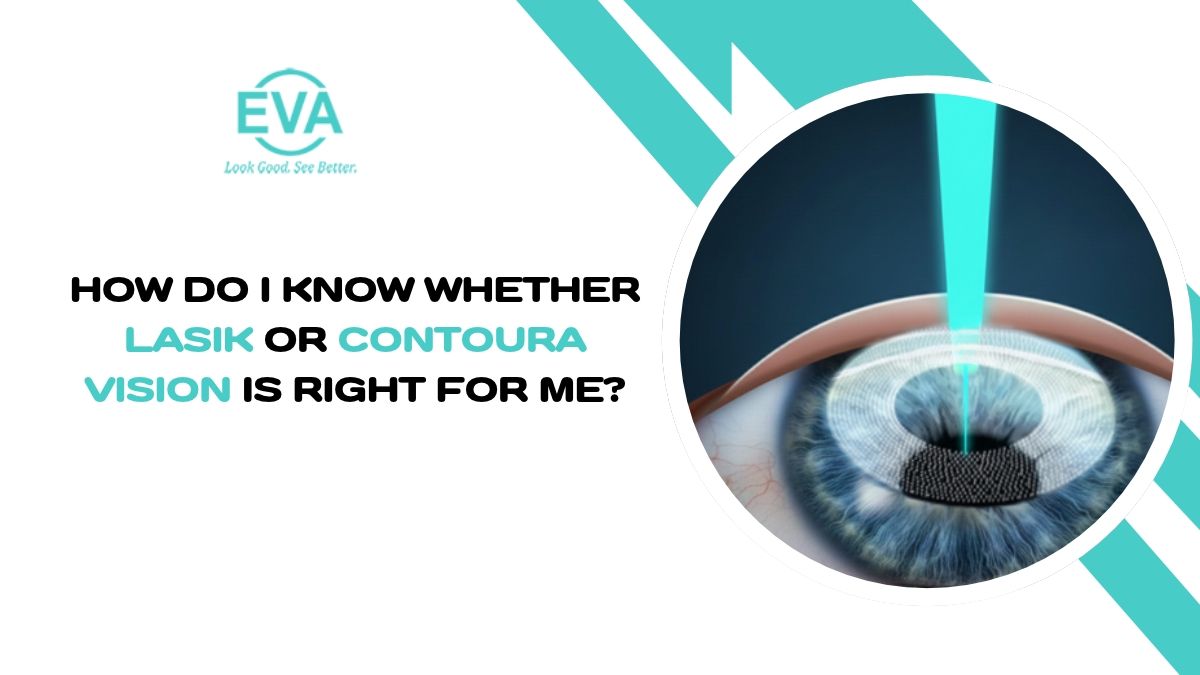
Choosing between LASIK and Contoura Vision can be confusing, especially when both procedures are designed to reduce dependence on glasses and contact lenses. Although they share the same basic purpose, their treatment approaches, planning methods, and suitability can differ. The right choice depends on your eye health, corneal shape, prescription, lifestyle, and individual vision correction needs.
Many people exploring laser vision correction want to know whether traditional LASIK is sufficient or whether a more personalised procedure, such as Contoura Vision, may offer additional benefits. Consulting an experienced eye lasik surgeon in Delhi can help you understand these differences and determine which procedure is appropriate for your eyes.
If you are considering contoura vision in Delhi, understanding how both procedures work, who can benefit from them, and what factors influence the final decision is an important first step.
What Is LASIK Eye Surgery?
LASIK (Laser-Assisted In Situ Keratomileusis) is a widely performed laser vision correction procedure used to treat common refractive errors, including myopia (nearsightedness), hyperopia (farsightedness), and astigmatism.
During LASIK, the surgeon creates a thin flap on the cornea, which is the transparent front surface of the eye. An excimer laser then reshapes the underlying corneal tissue to help light focus correctly on the retina. The corneal flap is repositioned after the treatment, allowing the eye to begin healing.
Key Benefits of LASIK
- Helps reduce dependence on spectacles and contact lenses.
- Offers relatively quick visual recovery for many patients.
- Treats several common refractive errors.
- Uses established laser technology.
- Provides long-term vision correction in appropriately selected patients.
However, LASIK is not suitable for everyone. Factors such as corneal thickness, prescription stability, dry eye symptoms, and overall eye health must be evaluated before surgery.
What Is Contoura Vision?
Contoura Vision is an advanced form of topography-guided laser vision correction. It uses detailed corneal mapping to understand the shape and surface characteristics of the cornea.
Unlike conventional LASIK planning, which primarily relies on refractive measurements, Contoura Vision uses detailed topographic information to guide treatment planning. This allows the surgeon to consider specific corneal irregularities while planning the laser correction.
Key Benefits of Contoura Vision
- Provides detailed mapping of the corneal surface.
- Supports personalised treatment planning.
- Helps address selected corneal irregularities.
- Corrects eligible refractive errors.
- May improve visual quality in appropriately selected patients.
People exploring contoura vision in Delhi should understand that advanced technology does not automatically make a procedure suitable for every patient. A detailed eye examination is necessary to determine eligibility.
LASIK vs Contoura Vision: What Is the Difference?
Both LASIK and Contoura Vision are designed to correct refractive errors, but they differ in their treatment planning approaches. Traditional LASIK primarily relies on prescription-based measurements to reshape the cornea and correct vision problems such as nearsightedness, farsightedness, and astigmatism. In comparison, Contoura Vision uses advanced topography-guided technology to create a detailed map of the corneal surface. This allows the surgeon to consider individual corneal characteristics and selected surface irregularities while planning the treatment. While traditional LASIK focuses mainly on correcting refractive errors based on an individual's prescription, Contoura Vision offers a more personalised approach using detailed corneal mapping. However, the most suitable procedure depends on your corneal condition, prescription, overall eye health, and visual requirements rather than technology alone.
How Do You Know Which Procedure Is Right for You?
There is no single procedure that works best for everyone. Your surgeon must evaluate several factors before recommending LASIK or Contoura Vision.
1. Your Corneal Shape and Thickness
The cornea plays an important role in focusing light. Its thickness, curvature, and overall structure influence whether laser vision correction can be performed safely.
If your cornea has certain irregularities, topography-guided treatment may be worth considering. However, patients with significantly thin or irregular corneas may not be suitable candidates for either procedure.
A detailed corneal examination helps the surgeon make an informed recommendation.
2. Your Current Eye Prescription
Your refractive error is another important consideration. LASIK and Contoura Vision can treat different degrees of myopia, hyperopia, and astigmatism, depending on the treatment system and individual clinical findings.
Your prescription should generally be stable before undergoing laser vision correction.
An experienced eye lasik surgeon in Delhi will review your prescription history and determine whether your eyes are suitable for the proposed treatment.
3. Your Overall Eye Health
Good general eye health is essential for successful laser vision correction. Your surgeon may evaluate dry eye symptoms, corneal abnormalities, eye infections or inflammation, retinal health, previous eye surgeries, and existing eye conditions.
Certain conditions may increase surgical risks or require alternative treatment options. A comprehensive examination helps identify potential concerns before proceeding.
4. Your Visual Requirements and Lifestyle
Your daily activities may also influence the discussion about vision correction. For example, people who spend long hours working on computers, participate in sports, or frequently travel may prefer greater independence from glasses.
However, lifestyle preferences alone cannot determine the right procedure. Your eye measurements and medical suitability remain the most important factors.
5. Your Expectations from Surgery
It is important to understand what laser vision correction can realistically achieve.
Although both procedures can significantly reduce dependence on glasses, neither guarantees perfect vision for everyone. Some patients may still need spectacles for specific activities or reading as they grow older.
Discussing your expectations with your surgeon helps establish realistic treatment goals.
What Tests Are Required Before LASIK or Contoura Vision?
Before recommending a procedure, your surgeon will perform a comprehensive eye evaluation. These diagnostic tests help assess your suitability and identify potential risks.
Corneal Topography: Maps the corneal surface and identifies its shape and curvature. It is particularly important when evaluating patients for topography-guided treatments.
Pachymetry: Measures corneal thickness to assess whether sufficient tissue is available for treatment.
Refraction Test: Determines the degree of nearsightedness, farsightedness, and astigmatism.
Tear Film Evaluation: Checks for dry eye symptoms that may affect healing and visual comfort.
Pupil Assessment: Evaluates pupil size under different lighting conditions.
Retinal Examination: Checks the back of the eye for any underlying problems that could influence surgical suitability.
These tests help determine whether traditional LASIK, Contoura Vision, or another vision correction option is more appropriate.
Is Contoura Vision Better Than Traditional LASIK?
Contoura Vision offers a more detailed, topography-guided treatment approach, which may be beneficial for patients whose corneal surface characteristics make this approach appropriate.
However, it is not necessarily better for every individual.
Traditional LASIK may provide excellent results for patients with suitable eye measurements and straightforward refractive errors. Meanwhile, Contoura Vision may be considered when detailed corneal mapping can contribute to personalised treatment planning.
The decision should be based on clinical findings rather than assuming that the latest technology always delivers better results.
What Is the Recovery Time After LASIK and Contoura Vision?
Recovery varies from person to person and depends on individual healing, prescription, and treatment characteristics.
Many patients experience improved vision within the first 24–48 hours after LASIK-based procedures. However, complete visual stabilisation may take longer.
During recovery, you may experience:
- Temporary dryness or irritation.
- Mild light sensitivity.
- Fluctuating vision.
- A feeling of discomfort or grittiness.
Your surgeon may prescribe lubricating eye drops and other medications to support healing.
Avoid rubbing your eyes, follow the recommended eye-drop schedule, and attend all follow-up appointments. Your surgeon will also advise you when to resume driving, swimming, exercise, and other activities.
Why Is Choosing the Right Eye Surgeon Important?
The technology used during laser vision correction is important, but the surgeon's experience and clinical judgement are equally valuable.
An experienced surgeon evaluates your complete eye condition rather than recommending a procedure based only on its popularity.
When searching for an eye lasik surgeon in Delhi, consider the following factors:
- Experience in refractive and laser eye surgery.
- Availability of advanced diagnostic equipment.
- Thorough preoperative eye examinations.
- Clear explanations of potential risks and benefits.
- Personalised treatment recommendations.
- Proper postoperative care and follow-up.
A detailed consultation helps you understand the available options and make a confident decision about your vision correction journey.
Conclusion
Choosing between LASIK and Contoura Vision requires more than comparing laser technologies. Both procedures can help eligible individuals reduce their dependence on glasses and contact lenses, but their treatment approaches and suitability differ.
Your corneal shape, thickness, prescription, eye health, and visual expectations should guide the final decision. If you are considering contoura vision in Delhi or traditional LASIK, consult an experienced refractive surgeon for a detailed evaluation.
A personalised treatment recommendation based on proper diagnostic testing is the best way to move towards clearer vision safely and confidently.
Frequently Asked Questions (FAQs)
1. Is Contoura Vision safer than traditional LASIK?
Both procedures have established safety profiles when performed on appropriately selected patients. Their suitability depends on corneal measurements, eye health, and individual risk factors.
2. Can everyone undergo Contoura Vision?
No. Patients must meet specific clinical requirements related to corneal shape, thickness, prescription stability, and overall eye health. Some individuals may require alternative vision correction options.
3. Does Contoura Vision provide better vision than LASIK?
Contoura Vision may offer additional benefits for selected patients because it uses detailed corneal mapping. However, visual outcomes vary, and it is not guaranteed to provide better results for everyone.
4. How long do LASIK and Contoura Vision results last?
Laser vision correction permanently reshapes the treated corneal tissue. However, natural age-related changes, such as presbyopia and cataracts, can affect vision later in life.
5. How do I choose the right procedure?
The best way is to undergo a comprehensive refractive eye evaluation. Your surgeon can compare your corneal measurements, prescription, and eye health before recommending a suitable procedure.