What Is the Right Age for Eye Surgery?
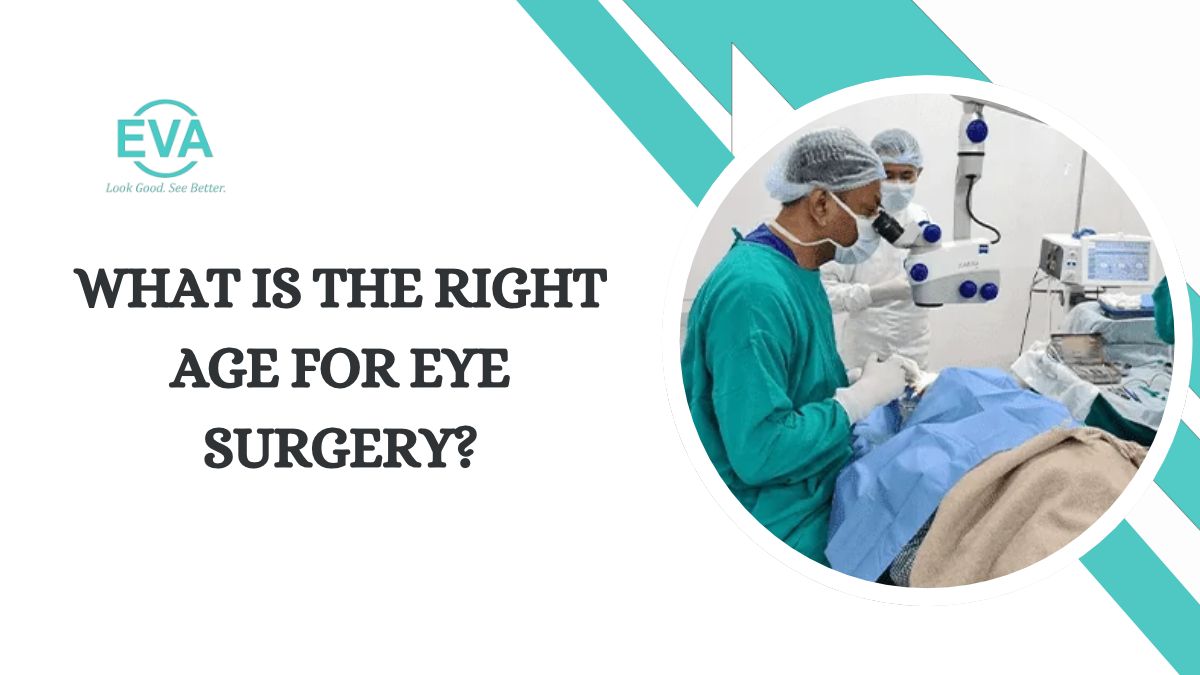
Have you ever wondered whether you are too young or too old for eye surgery? Whether you want to reduce your dependence on glasses, correct refractive errors, or improve vision affected by cataracts, age can play an important role in determining the most suitable treatment. However, there is no single age that is right for every type of eye surgery.
The right age for eye surgery depends on the procedure, eye health, prescription stability, and individual vision needs. For example, LASIK is generally considered for adults aged 18 and above, while cataract surgery is recommended according to how much cataracts affect everyday activities rather than a specific age limit.
Understanding the age requirements for different procedures can help you make informed decisions about your vision. Consulting an experienced eye specialist doctor in Delhi can help determine whether surgery is appropriate for your eyes and which treatment options may suit your needs.
What Is the Best Age for Eye Surgery?
The best age for eye surgery varies depending on the condition being treated. Some procedures correct refractive errors, while others treat cataracts, glaucoma, or retinal conditions. Each procedure has different eligibility criteria.
For elective vision correction procedures such as LASIK, doctors generally recommend waiting until adulthood and ensuring that the eye prescription has remained stable. Cataract surgery, on the other hand, may be appropriate whenever cloudy lenses begin interfering significantly with daily activities.
Here is a general overview:
The ideal age for eye surgery depends on the type of procedure, eye health, and individual vision needs. LASIK surgery is generally suitable for adults aged 18 years or older with a stable prescription. SMILE surgery is usually considered for eligible adults who meet the procedure-specific criteria, while PRK laser surgery is generally performed on adults with suitable corneal health. Cataract surgery depends on the severity of the cataract, the level of vision impairment, and its impact on daily activities. Glaucoma surgery is recommended based on disease severity and the response to other treatments. Similarly, retinal surgery is determined by the specific retinal condition rather than age alone. These are general guidelines, not guarantees of eligibility. The most appropriate age for any eye surgery should be determined through a comprehensive eye examination by a qualified ophthalmologist.
These are general guidelines, not guarantees of eligibility. The ideal age for vision correction surgery must be determined through a comprehensive eye examination.
What Is the Minimum Age for Eye Surgery?
The minimum age for eye surgery depends on the procedure and the medical condition being treated.
For elective laser vision correction, including LASIK, patients generally need to be at least 18 years old. Some ophthalmologists may recommend waiting until the early twenties, particularly when a person's glasses prescription is still changing.
This is because the eyes may continue to change during adolescence and early adulthood. Performing elective refractive surgery before the prescription stabilizes can increase the likelihood of residual refractive error or changes in vision after treatment.
However, age restrictions for elective procedures do not apply universally to every type of eye surgery. Children and teenagers may require surgery for certain medical conditions, including congenital cataracts, strabismus, or other eye disorders.
Important: Being old enough for surgery does not automatically make someone a suitable candidate. Corneal thickness, eye health, prescription stability, and other clinical factors must also be evaluated.
What Is the Best Age for LASIK Eye Surgery?
LASIK is a popular vision correction procedure designed to reduce dependence on glasses or contact lenses. It reshapes the cornea using a laser so that light focuses more accurately on the retina.
Although LASIK is generally available to eligible adults from age 18, the early twenties or later may be more suitable for some people because their prescription is more likely to have stabilized.
Before recommending LASIK, an ophthalmologist typically evaluates:
- Prescription stability: The glasses or contact lens prescription should generally remain stable for at least one year, although individual requirements may vary.
- Corneal thickness and shape: The cornea must be suitable for the planned laser treatment.
- Overall eye health: Conditions such as keratoconus, certain corneal disorders, or uncontrolled eye disease may affect eligibility.
- General health: Some medical conditions and medications can influence healing.
- Lifestyle and expectations: Work requirements, sports, and visual needs may influence treatment decisions.
LASIK may not be appropriate for everyone, even if they meet the minimum age requirement. An experienced eye specialist in South Delhi can assess these factors and explain whether LASIK, another refractive procedure, or continued use of glasses would be more appropriate.
Is Eye Surgery Safe for Young Adults?
Eye surgery can be safe and effective for appropriately selected young adults when performed for a suitable medical indication. However, safety depends on the procedure, individual eye anatomy, medical history, and preoperative evaluation.
Young adults considering laser vision correction should understand that surgery is not simply a way to eliminate glasses. It is a medical procedure that requires careful screening.
For example, an unstable prescription may affect long-term results, while an unsuitable cornea can increase the risk of complications. Dry eye symptoms and certain underlying eye conditions may also influence whether surgery is advisable.
Potential risks of LASIK include dry eyes, glare, halos around lights, difficulty seeing clearly at night, undercorrection, overcorrection, and, rarely, more serious complications.
A thorough examination helps identify potential risks before treatment. Patients should discuss the expected benefits, limitations, alternatives, and possible complications with their ophthalmologist.
Choosing a qualified specialist based on appropriate training, experience, and a comprehensive evaluation is more important than choosing surgery solely because of age.
What Is the Maximum Age for Eye Surgery?
There is no universal maximum age for all eye surgeries. Older adults may be suitable candidates for certain procedures, depending on their eye health and overall medical condition.
For example, LASIK is not automatically ruled out after age 40 or 50. However, age-related changes can influence the benefits and suitability of refractive surgery.
Presbyopia, a natural age-related change in the eye's ability to focus on nearby objects, commonly becomes noticeable during the forties. LASIK may correct distance vision but does not stop presbyopia from progressing. Some patients may still need reading glasses.
Older adults may also develop cataracts, glaucoma, or retinal conditions that affect their treatment options. If cataracts are responsible for blurred vision, cataract surgery may offer a more appropriate solution than laser vision correction.
A top ophthalmologist in Delhi can evaluate the cause of vision changes and recommend treatment according to the patient's diagnosis, eye health, and visual goals.
What Is the Suitable Age for Cataract Surgery?
Unlike elective LASIK, cataract surgery does not have a fixed minimum or maximum age for typical age-related cases.
A cataract develops when the eye's natural lens becomes cloudy, causing symptoms such as blurred vision, glare, faded colours, and difficulty seeing in low light.
Cataracts are more common with advancing age, but they can also occur in younger adults and children due to genetic factors, eye injuries, certain medications, or other medical conditions.
The decision to undergo cataract surgery depends mainly on how much the cataract affects vision and daily life.
An ophthalmologist may recommend surgery when cataracts interfere with activities such as:
- Reading and using digital devices.
- Driving, especially at night.
- Recognising faces and navigating unfamiliar places.
- Working, studying, or performing routine tasks.
- Enjoying hobbies that require clear vision.
Waiting until cataracts become extremely advanced is not always necessary. However, surgery is not automatically required as soon as a cataract is diagnosed. The decision should be based on symptoms, examination findings, individual needs, and a discussion of the benefits and risks.
What Factors Determine Eye Surgery Eligibility by Age?
Age is only one part of the decision-making process. An ophthalmologist considers several factors before recommending a procedure.
1. Stability of the eye prescription
For LASIK and similar refractive procedures, a stable prescription is important because continuing changes may affect the result.
2. Corneal health
The shape, thickness, and overall condition of the cornea help determine whether laser vision correction is appropriate.
3. Existing eye conditions
Dry eye disease, glaucoma, cataracts, retinal problems, and other conditions may influence the choice or timing of surgery.
4. Overall health
Certain medical conditions, medications, and healing-related concerns can affect surgical suitability and recovery.
5. Visual needs and expectations
A person's occupation, lifestyle, reading requirements, and expectations should be considered when comparing treatment options.
6. Comprehensive diagnostic testing
Tests may include a refraction assessment, corneal mapping, corneal thickness measurement, tear-film evaluation, and a dilated eye examination, depending on the proposed procedure.
These assessments help the surgeon recommend an appropriate treatment rather than relying on age alone.
How to Choose the Right Eye Surgeon
Choosing an eye surgeon is an important step towards protecting your vision. Look for an ophthalmologist with recognised qualifications, relevant experience in the procedure you are considering, and access to appropriate diagnostic facilities.
Before making a decision, consider asking:
- Am I medically suitable for this procedure?
- Is my eye prescription stable?
- What benefits can I realistically expect?
- What are the potential risks and alternatives?
- Will I still need glasses for certain activities?
- What follow-up care will be required?
If you are searching for the best eye surgeon in Delhi, prioritise professional qualifications, procedure-specific experience, transparent communication, and an individualised treatment plan rather than relying on rankings or promotional claims alone.
Patients looking for an eye specialist doctor in Delhi or an eye specialist in South Delhi should seek a consultation that includes a detailed assessment of their vision and eye health.
Conclusion
The right age for eye surgery depends on the condition being treated, the procedure being considered, and the patient's individual eye health. While LASIK generally requires adulthood and a stable prescription, cataract surgery is guided by the impact of the cataract on everyday vision rather than a fixed age limit.
If you are considering vision correction or treatment for an eye condition, schedule a comprehensive examination with a qualified ophthalmologist. A personalised assessment can help you understand your options, potential risks, and the most appropriate time for treatment.
Your vision deserves an informed decision. Rather than focusing only on age, focus on finding the right diagnosis, understanding your treatment options, and choosing care that meets your individual needs.