What Are the Warning Signs After Cataract Surgery?
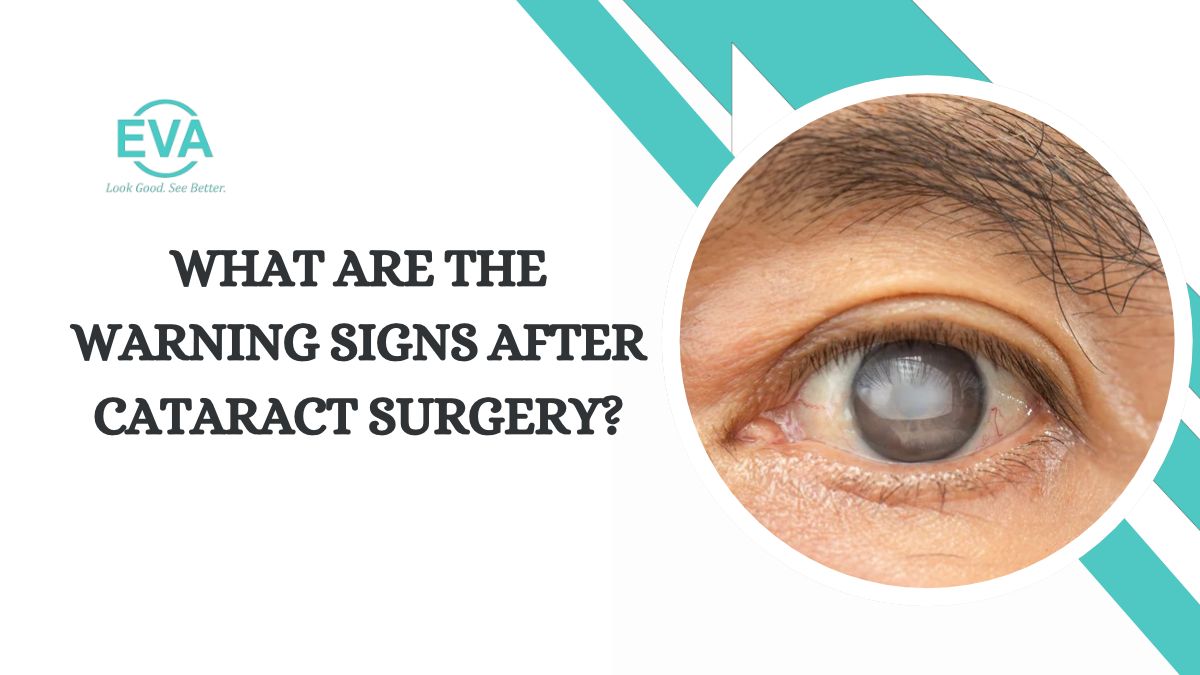
Cataract surgery is a commonly performed procedure that helps restore clearer vision by replacing the cloudy natural lens of the eye with an artificial intraocular lens (IOL). Although most patients recover well, understanding the warning signs after cataract surgery is essential for protecting your eyesight and identifying potential complications early.
Mild irritation, temporary blurred vision, and light sensitivity can occur during the initial recovery period. However, symptoms such as severe eye pain, sudden vision loss, increasing redness, or new flashes of light should never be ignored. Recognising the difference between expected healing symptoms and abnormal changes can help you seek timely medical attention.
Whether you have recently undergone cataract surgery or are preparing for the procedure, knowing what to expect can make recovery less stressful. Consulting an experienced cataract surgeon in Delhi and following your prescribed aftercare instructions can also help support a smoother recovery.
What Symptoms Are Normal After Cataract Surgery?
Before identifying abnormal symptoms after cataract surgery, it is important to understand what can occur during normal healing.
Following surgery, some patients experience mild discomfort or temporary changes in vision as the eye recovers. These symptoms generally improve over the following days, although the recovery timeline varies between individuals.
Common temporary symptoms include:
- Mild irritation: A scratchy or gritty sensation may occur during the initial healing period.
- Temporary blurred vision: Vision may initially appear hazy before gradually improving.
- Mild redness: Some redness can occur because of irritation from the procedure.
- Light sensitivity: Bright lights may feel uncomfortable for a short period.
- Watery eyes: Mild watering can occur during recovery.
These symptoms should generally improve rather than become progressively worse. Follow your surgeon's instructions and attend scheduled follow-up appointments.
Important: Sudden or significant vision changes, severe pain, or increasing redness are not symptoms to dismiss as normal recovery. Contact your ophthalmologist urgently if they occur.
What Are the Warning Signs After Cataract Surgery?
Recognising cataract surgery recovery warning signs can help prevent delays in diagnosing potentially serious complications. Although complications are uncommon, some require immediate treatment to protect vision.
1. Severe or Increasing Eye Pain
Mild discomfort may occur after surgery, but severe, persistent, or increasing eye pain requires urgent medical assessment.
Significant pain can sometimes indicate increased pressure inside the eye, inflammation, infection, or another postoperative complication.
Do not assume that severe pain is simply part of the healing process. Contact your cataract surgeon immediately if the pain is intense, worsening, or accompanied by blurred vision, redness, or nausea.
2. Sudden or Worsening Blurred Vision
Temporary blurry vision can occur during the early recovery period. However, vision that suddenly deteriorates or becomes progressively worse should be assessed promptly.
Possible causes include corneal swelling, inflammation, increased intraocular pressure, infection, or retinal complications.
If your vision initially improves but then becomes noticeably worse, do not wait for your next routine appointment. Seek urgent evaluation from an ophthalmologist.
3. Increasing Redness in the Eye
Mild redness may occur after cataract surgery, but redness that becomes more pronounced, spreads, or occurs alongside pain or worsening vision can indicate a complication.
One serious possibility is postoperative infection. Inflammation or increased pressure inside the eye can also contribute to abnormal symptoms.
Contact your eye doctor if redness increases instead of gradually improving, particularly if you also experience discharge, light sensitivity, or significant discomfort.
4. Signs of Infection After Cataract Surgery
An eye infection is an uncommon but potentially sight-threatening complication. A serious infection inside the eye, known as endophthalmitis, requires urgent treatment.
Possible signs of infection after cataract surgery include:
- Increasing eye pain or tenderness.
- Worsening redness.
- Sudden or progressively reduced vision.
- Increasing light sensitivity.
- Unusual discharge or marked swelling.
These symptoms do not automatically mean an infection is present, but they require prompt assessment.
If you suspect an infection, seek emergency ophthalmic care immediately. Do not wait to see whether the symptoms improve or attempt to treat them with unprescribed eye drops.
5. New Flashes of Light or Floaters
Occasional floaters may occur for various reasons, but a sudden increase in floaters, new flashes of light, or a shadow moving across your vision can indicate a retinal tear or retinal detachment.
A retinal detachment occurs when the light-sensitive tissue at the back of the eye separates from its normal position. Without timely treatment, it can cause permanent vision loss.
Seek emergency eye care if you experience sudden flashes, numerous new floaters, or a curtain-like shadow across your vision. These symptoms should not be attributed to routine cataract surgery recovery.
6. Severe Light Sensitivity
Some sensitivity to bright light can occur after surgery. However, intense or worsening light sensitivity, particularly when accompanied by pain, redness, or blurred vision, may indicate inflammation or another complication.
If light sensitivity becomes severe or interferes significantly with normal activities, contact your ophthalmologist for advice.
7. Persistent Swelling or Unusual Discharge
Mild watering or temporary irritation may occur during recovery. However, marked swelling, increasing discomfort, or unusual discharge should not be ignored.
These symptoms may indicate infection, inflammation, or another problem requiring treatment.
Avoid rubbing the operated eye or using non-prescribed medications. Contact your eye specialist promptly for an examination.
What Causes Cataract Surgery Complications?
Cataract surgery is generally safe, but complications can occasionally occur during the procedure or recovery period.
Cataract surgery can occasionally lead to complications, including eye infection, increased eye pressure, corneal swelling, inflammation, retinal tear or detachment, cystoid macular oedema, and posterior capsule opacification. An eye infection may cause increasing pain, redness, and worsening vision, while increased eye pressure can lead to eye discomfort or blurred vision, although some patients may not experience noticeable symptoms. Corneal swelling can cause hazy or blurred vision, whereas inflammation may result in redness, discomfort, and light sensitivity. A retinal tear or detachment may cause new flashes of light, floaters, or a curtain-like shadow across the field of vision. Cystoid macular oedema, which involves swelling in the central part of the retina, can lead to blurred or distorted central vision. Posterior capsule opacification may cause blurred vision weeks, months, or even years after cataract surgery. Sudden vision changes, severe eye pain, or new flashes and floaters require urgent ophthalmic assessment.
Not every complication causes obvious symptoms, and some conditions can develop without significant pain. This is why postoperative follow-up appointments remain important, even when you feel that your recovery is progressing normally.
When Should You Worry After Cataract Surgery?
Knowing when to seek medical attention can make an important difference to your recovery.
Seek emergency eye care immediately if you experience:
- Sudden loss or significant deterioration of vision.
- Severe or increasing eye pain.
- New flashes of light or a sudden increase in floaters.
- A dark curtain or shadow across your field of vision.
- Increasing redness accompanied by worsening vision or pain.
Contact your ophthalmologist promptly if mild symptoms are not improving as expected, redness is increasing, or you develop unusual discharge or persistent discomfort.
Do not wait for a scheduled follow-up appointment if warning signs develop. If you cannot reach your surgeon, attend an emergency department or eye hospital equipped to provide urgent ophthalmic assessment.
How Can You Reduce the Risk of Problems After Cataract Surgery?
Although complications cannot always be prevented, following postoperative instructions can support healing and reduce avoidable risks.
Here are several important precautions:
1. Use prescribed eye drops correctly. Follow the recommended schedule and dosage. Do not stop or change your medication without consulting your surgeon.
2. Avoid rubbing or pressing the operated eye. Physical pressure can interfere with healing and increase the risk of injury.
3. Keep the eye protected. Follow your surgeon's guidance about protective eye shields, especially while sleeping if one has been recommended.
4. Maintain appropriate hygiene. Wash your hands before handling eye drops and avoid allowing unclean water or potentially contaminated substances to enter the eye.
5. Follow activity restrictions. Ask your surgeon when it is safe to resume exercise, swimming, heavy lifting, and other activities that may affect recovery.
6. Attend follow-up appointments. Your ophthalmologist can assess healing, monitor eye pressure when appropriate, and identify complications that may not cause obvious symptoms.
7. Report unusual changes promptly. Early assessment is particularly important when vision worsens, pain increases, or new visual disturbances develop.
How to Choose the Right Cataract Surgeon in Delhi
Choosing a qualified ophthalmologist is an important part of your cataract treatment journey. If you are searching for a cataract surgeon in Delhi, look beyond promotional claims and focus on clinical qualifications, relevant surgical experience, patient communication, and access to appropriate diagnostic and follow-up care.
Before surgery, consider asking:
- What are the benefits and potential risks of my procedure?
- Which intraocular lens options are suitable for my eyes?
- What symptoms should prompt an urgent consultation?
- How soon should I attend follow-up appointments?
- Whom should I contact if a complication develops after surgery?
Patients looking for the best cataract surgeon in Delhi, an eye specialist in South Delhi, or a top ophthalmologist in Delhi should prioritise an individualised assessment and transparent discussion of treatment options.
A good postoperative care plan should explain medication use, expected recovery, warning signs, and how to access urgent care if necessary.
Conclusion
Understanding the warning signs after cataract surgery helps you distinguish expected healing symptoms from problems that require medical attention. Mild irritation, temporary blurred vision, and light sensitivity may occur during recovery, but severe pain, sudden vision loss, increasing redness, or new flashes and floaters should never be ignored.
The most important step is to recognise unusual changes and seek timely professional care. Follow your prescribed medication schedule, attend postoperative appointments, and contact your ophthalmologist whenever symptoms concern you.
Your vision is too important to take chances with. With appropriate follow-up, clear aftercare instructions, and prompt assessment of warning signs, you can take an informed approach to protecting your eyesight after cataract surgery