What Is Specs Removal Surgery and How Does It Work?
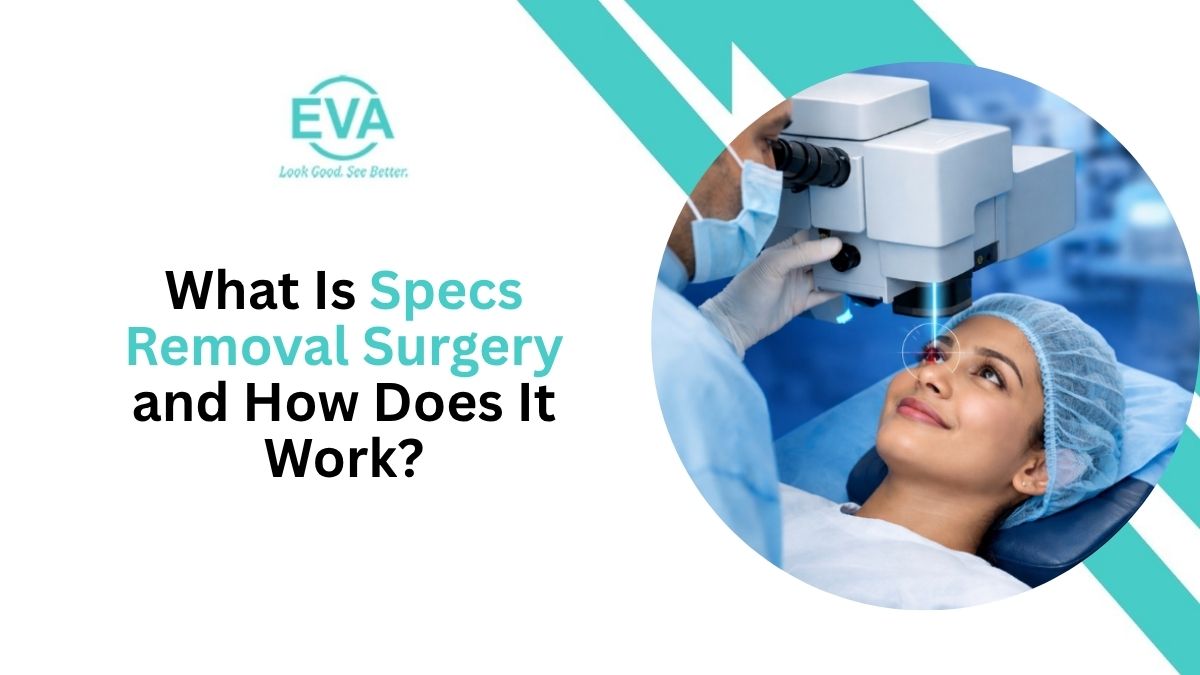
If you are tired of wearing glasses or contact lenses every day, you may have considered specs removal surgery as a way to achieve clearer vision. Also known as refractive eye surgery, this treatment is designed to reduce dependence on spectacles or contact lenses by correcting common vision problems such as myopia, hyperopia, and astigmatism.
With advancements in modern eye-care technology, procedures such as LASIK, Contoura Vision, and other laser-based vision correction treatments can offer personalized solutions for suitable candidates.
What Is Specs Removal Surgery?
Specs removal surgery is a type of refractive surgery performed to correct the shape or focusing power of the eye. Normally, light entering the eye needs to focus precisely on the retina to produce a clear image. When the shape of the cornea or the length of the eye causes light to focus incorrectly, blurred vision occurs.
Laser vision correction procedures reshape the cornea so that incoming light can focus more accurately on the retina. Depending on the patient's eye condition, corneal thickness, prescription, lifestyle, and other factors, an eye specialist may recommend a suitable procedure.
The primary objective is to reduce dependence on glasses or contact lenses rather than simply treating the appearance of wearing spectacles.
How Does Specs Removal Surgery Work?
The exact technique depends on the type of refractive procedure selected. In laser-based treatments, advanced technology is used to make precise changes to the corneal tissue.
Before treatment, the eye is thoroughly evaluated. Tests may assess:
- Eye power and prescription
- Corneal thickness
- Corneal shape and curvature
- Tear-film health
- Overall eye health
- Stability of the prescription
During the procedure, numbing eye drops are generally used to keep the patient comfortable. The surgeon then uses specialized technology to modify the cornea according to the patient's visual requirements.
The reshaped cornea allows light to focus more appropriately on the retina, potentially providing clearer vision.
What Are the Different Types of Specs Removal Procedures?
There is no single procedure that is suitable for everyone. Different techniques may be considered based on individual eye characteristics.
LASIK
LASIK is one of the most established forms of laser refractive surgery. It involves creating a thin corneal flap and reshaping the underlying corneal tissue with a laser. The flap is then repositioned.
Contoura Vision
Contoura Vision is a topography-guided laser vision correction technique that uses detailed mapping of the corneal surface to customize treatment. It may be considered for suitable patients who want advanced refractive correction.
PRK
PRK is another laser vision correction procedure. Instead of creating a corneal flap, the surface layer of the cornea is removed or moved aside before laser treatment. The surface then heals naturally.
SMILE
SMILE is a minimally invasive laser procedure in which a small piece of corneal tissue, called a lenticule, is created and removed through a small incision. It is primarily used for correcting certain levels of myopia and astigmatism.
The appropriate procedure should be selected only after a comprehensive eye examination.
Who Can Consider Specs Removal Surgery?
Not everyone with glasses is automatically a candidate for refractive surgery. An eye specialist evaluates several factors before recommending treatment.
A suitable candidate may generally have:
- A stable eye prescription
- Healthy eyes
- Adequate corneal thickness and structure
- Realistic expectations about the outcome
- No significant untreated eye disease
Age and general eye health can also influence eligibility. Conditions affecting the cornea, tear film, or other parts of the eye may require additional evaluation.
What Are the Benefits of Specs Removal Surgery?
One of the biggest attractions of refractive surgery is the possibility of reducing dependence on corrective eyewear.
Potential benefits include:
Reduced Dependence on Glasses
Many suitable patients can perform daily activities with less reliance on spectacles after successful treatment.
Convenience
Activities such as exercising, swimming, travelling, or participating in outdoor sports may become easier without constantly managing glasses.
Personalized Treatment
Modern laser systems can provide treatment based on individual corneal characteristics and visual requirements.
Improved Lifestyle Comfort
People who dislike wearing glasses or experience inconvenience with contact lenses may find refractive surgery a convenient alternative.
However, results vary from person to person, and surgery does not guarantee perfect vision for every patient.
Is Specs Removal Surgery Safe?
Modern refractive procedures have established safety profiles when performed on appropriately selected patients using suitable technology and proper clinical protocols. However, like every surgical procedure, eye power correction surgery can have potential risks and side effects.
Some patients may temporarily experience:
- Dry eyes
- Glare or halos
- Fluctuating vision
- Light sensitivity
- Visual disturbances, particularly during the early recovery period
In some cases, additional treatment may be required. A detailed consultation helps identify individual risks and determine whether the expected benefits outweigh them.
What Happens Before Specs Removal Surgery?
A comprehensive evaluation is one of the most important parts of the treatment process.
Your eye specialist may perform several tests to determine whether your eyes are suitable for surgery. These assessments can include corneal mapping, corneal thickness measurements, refraction, pupil evaluation, and examination of the overall health of the eyes.
What Is the Recovery Like?
Recovery depends on the specific procedure performed. Some patients notice improved vision relatively quickly, while others require more time for their vision to stabilize.
Your doctor may recommend:
- Using prescribed eye drops
- Avoiding rubbing or pressing the eyes
- Protecting the eyes from dust and irritants
- Following activity restrictions
- Attending scheduled follow-up appointments
Following post-operative instructions carefully can support proper healing and help your doctor monitor your progress.
How Long Do the Results Last?
The correction achieved through refractive surgery is intended to be long-lasting because the corneal tissue is permanently reshaped. However, this does not mean that your eyes will never experience changes in the future.
Natural age-related changes can still occur. For example, presbyopia can develop with age and may eventually make reading glasses necessary even if distance vision remains good.
Therefore, permanent vision correction surgery should be understood as a long-term correction of existing refractive errors, not a guarantee against every future change in eyesight.
How Much Does Specs Removal Surgery Cost?
The cost can vary considerably depending on several factors, including:
- Type of procedure
- Technology used
- Pre-operative diagnostic tests
- Surgeon's expertise
- Hospital or eye-care facility
- Individual treatment requirements
- Follow-up care
Why Is a Pre-Surgery Eye Examination Important?
A detailed examination helps determine whether laser vision correction is suitable for your eyes. It can also help identify conditions that may make surgery unsuitable or require treatment first.
For example, corneal irregularities, unstable prescriptions, significant dry-eye problems, or certain eye diseases may influence the treatment decision.
Conclusion
Specs removal surgery has become an important option for people who want to reduce their dependence on glasses or contact lenses. Modern refractive procedures—including LASIK, Contoura Vision, PRK, and SMILE—use advanced techniques to correct suitable refractive errors.
However, the best procedure is not necessarily the newest or most heavily advertised one. The right choice depends on your individual eye structure, prescription, corneal health, lifestyle, and overall expectations.
Looking for a clinical evaluation? Explore our specs removal surgery in Delhi service. Understanding your eligibility, available treatment options, potential benefits, risks, recovery, and expected results can help you make a confident and informed decision about your vision.
Frequently Asked Questions About Specs Removal Surgery
Is specs removal surgery painful?
Most laser procedures use numbing eye drops, so patients generally experience little or no significant pain during the procedure. Some temporary discomfort may occur afterward depending on the technique.
Can everyone get rid of glasses through surgery?
No. Eligibility depends on prescription stability, corneal characteristics, eye health, age, and other factors. A comprehensive examination is necessary to determine suitability.
How quickly can vision improve?
The timeline varies according to the procedure and individual healing response. Some patients experience noticeable improvement quickly, while visual stabilization can take longer.
Can my spectacle power return after surgery?
Refractive changes can occur in some individuals. Your ophthalmologist can explain the likelihood based on your prescription, age, and eye characteristics.
Is laser eye surgery permanent?
The corneal reshaping is intended to be long-lasting, but natural changes in the eyes can occur with age. Therefore, future vision changes remain possible.