Is a Brown Spot on the Eye Dangerous? Causes & Care Tips
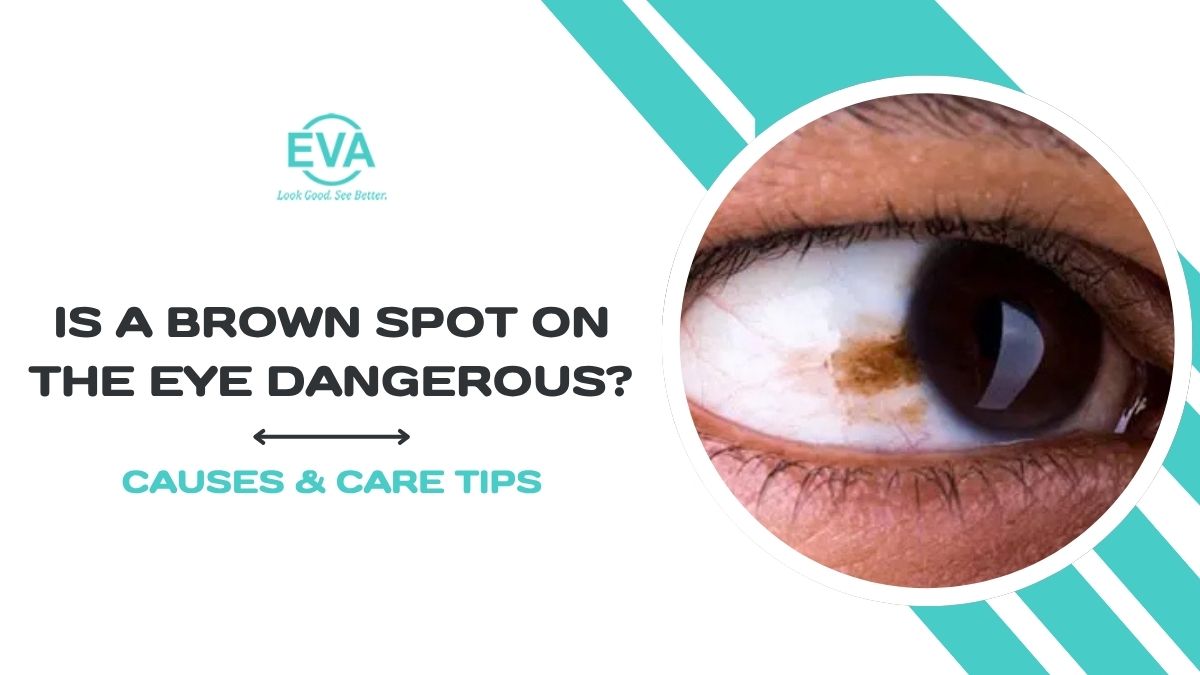
Noticing a brown spot on your eye can be concerning, especially if it appears suddenly or seems to change over time. While many of these spots are harmless, some may indicate an underlying eye condition that requires attention from an eye specialist. Understanding the causes, symptoms, and when to seek medical care can help you protect your vision and eye health.
What Is a Brown Spot on the Eye?
A brown spot on the eye usually appears on the white part (sclera) or the colored part (iris). These spots are often due to pigmentation, similar to freckles or moles on the skin. In most cases, they are benign and do not affect vision. However, any unusual change in the eye should not be ignored.
Common Causes of Brown Spots on the Eye
1. Conjunctival Nevus
A conjunctival nevus is one of the most common causes of a brown spot on the eye. It is essentially a mole that develops on the eye’s surface. These are typically harmless and may appear during childhood or adolescence. However, regular monitoring by an eye specialist is recommended to ensure it does not change in size or color.
2. Racial Melanosis
Racial melanosis is a condition often seen in people with darker skin tones. It appears as flat, brown pigmentation on the sclera. This condition is usually harmless and does not require treatment, but it should still be evaluated at an eye clinic to rule out other conditions.
3. Pinguecula
A pinguecula is a yellowish or brownish growth on the white part of the eye. It is commonly caused by prolonged exposure to UV rays, dust, or wind. While not dangerous, it can cause irritation and dryness. Wearing sunglasses and protecting your eyes can help prevent it.
4. Eye Freckles (Iris Nevus)
Freckles on the iris are similar to skin freckles and are generally harmless. However, if the spot grows or changes shape, it is important to consult an eye specialist, as it could indicate a more serious condition.
5. Ocular Melanoma (Rare but Serious)
In rare cases, a brown spot on the eye may be a sign of ocular melanoma, a type of eye cancer. Warning signs include rapid growth, changes in shape, blurred vision, or discomfort. Immediate evaluation at a qualified eye clinic is crucial if these symptoms occur.
When Should You Be Concerned?
While most brown spots are benign, you should seek medical advice if you notice:
- Sudden appearance of a new spot
- Increase in size or change in color
- Blurred or decreased vision
- Eye pain or discomfort
- Redness or irritation that does not improve
An experienced eye specialist can perform a thorough examination and determine whether the spot is harmless or requires treatment.
Diagnosis and Evaluation
At a professional eye clinic, diagnosis typically includes:
- Visual examination using a slit lamp
- Imaging tests or photography to monitor changes
- In some cases, referral for further evaluation if malignancy is suspected
Early detection plays a key role in managing any potential risks.
Care Tips to Protect Your Eyes
Taking care of your eyes can help prevent many common conditions that lead to brown spots. Here are some practical tips:
- Wear UV-protective sunglasses: Protect your eyes from harmful sunlight
- Maintain proper eye hygiene: Avoid rubbing your eyes and keep them clean
- Use lubricating eye drops: Prevent dryness and irritation
- Limit screen time: Reduce eye strain by following the 20-20-20 rule
- Schedule regular eye check-ups: Visit a trusted eye clinic for routine examinations
Treatment Options
Treatment depends on the underlying cause:
- Benign spots: Usually require no treatment, only monitoring
- Irritation or dryness: Managed with eye drops or lifestyle changes
- Suspicious growths: May require biopsy or surgical removal
An eye specialist will guide you on the best course of action based on your condition.
Final Thoughts
A brown spot on the eye is often harmless, but it should never be ignored. Regular monitoring and timely consultation with an eye specialist doctor can ensure early detection of any serious condition. If you notice any changes in your eyes, do not delay visiting a reputable eye clinic. Taking proactive steps today can help safeguard your vision for the future.