Noticing Black Dots in Your Eyes? Here’s What Your Body Is Telling You
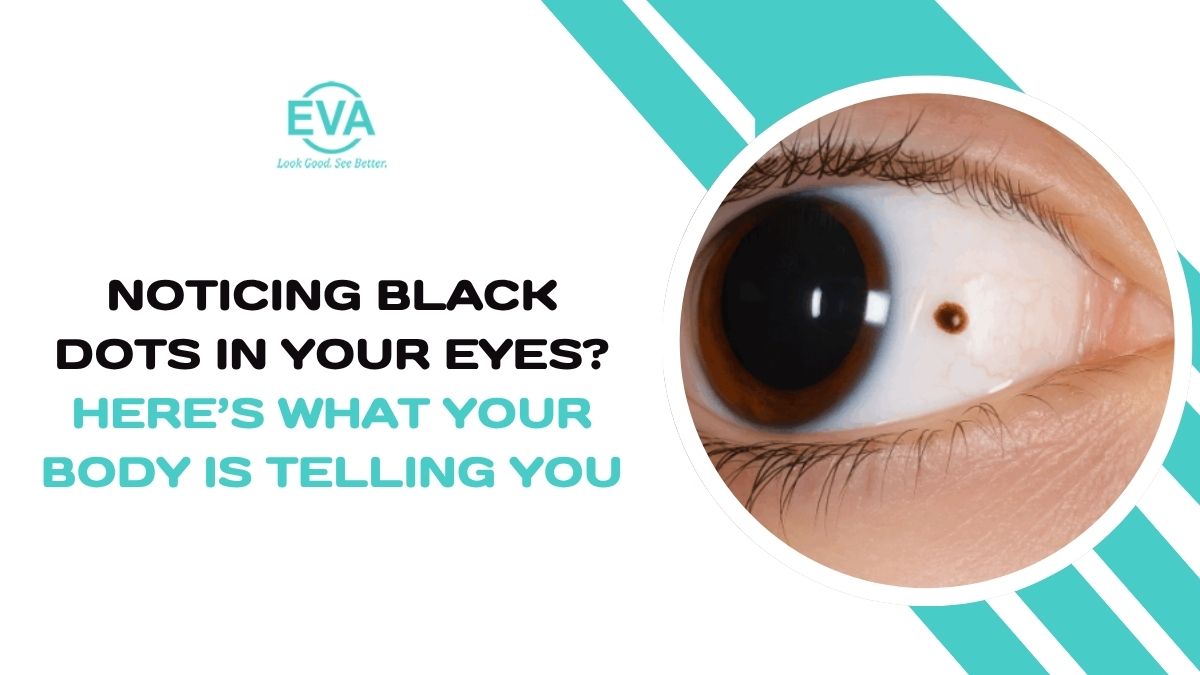
Have you ever noticed tiny black dots, specks, or thread-like shapes drifting across your vision? These floating spots can be alarming, especially when they appear suddenly. While they are often harmless, they can sometimes signal underlying eye conditions that need attention. Understanding what these black dots mean can help you take the right steps for your eye health.
What Are These Black Dots?
Black dots in your vision are commonly known as eye floaters. They may look like specks, cobwebs, or squiggly lines that move as your eyes move. Floaters are most noticeable when looking at a bright background like the sky or a white screen.
These spots are usually caused by tiny clumps inside the vitreous—the gel-like substance that fills your eye. As light enters the eye, these clumps cast shadows on the retina, making them appear as floating dots.
If you’ve noticed other unusual eye changes like pigmentation or spots, you can also read our detailed guide on brown spots on the eye to understand their causes and risks.
Why Is Your Body Showing These Signs?
Your body often gives subtle signals when something changes internally. Black dots in your vision can be one of those signals. Here are the most common reasons:
1. Natural Aging Process
As you age, the vitreous gel inside your eye begins to shrink and become more liquid. This process can cause small fibers to clump together, leading to floaters. This is a normal part of aging and is usually harmless.
2. Eye Strain and Screen Exposure
Spending long hours on digital devices can strain your eyes, making floaters more noticeable. Although screen time doesn’t directly cause floaters, it can make you more aware of them.
3. Posterior Vitreous Detachment (PVD)
In some cases, the vitreous pulls away from the retina, causing a sudden increase in floaters. This condition is common with age and usually not serious, but it should still be checked by an eye specialist.
4. Eye Injuries or Trauma
An injury to the eye can lead to the appearance of black dots. Trauma can disturb the vitreous or retina, leading to floaters or other visual disturbances.
5. Inflammation in the Eye
Inflammation inside the eye (uveitis) can cause debris to form in the vitreous, leading to visible floaters. This condition requires prompt medical attention.
6. Retinal Problems (Serious Cases)
Sometimes, black dots can be a warning sign of more serious issues, such as a retinal tear or detachment. If left untreated, these conditions can lead to vision loss.
Symptoms You Should Not Ignore
While occasional floaters are common, certain symptoms may indicate a more serious problem:
- Sudden increase in the number of floaters
- Flashes of light in your vision
- A shadow or curtain over part of your vision
- Blurred or reduced vision
- Eye pain or discomfort
If you experience any of these symptoms, consult an eye specialist doctor immediately.
When Should You Visit an Eye Clinic?
It’s important to seek professional evaluation if:
- You notice floaters suddenly appearing
- The size or shape of floaters changes
- You experience vision disturbances along with floaters
A qualified eye specialist at a trusted eye clinic can examine your eyes using advanced tools and determine whether the condition is harmless or requires treatment.
Diagnosis and Evaluation
At an eye clinic, diagnosis may include:
- A detailed eye examination
- Dilated eye test to view the retina
- Imaging tests if needed
These tests help identify whether the floaters are benign or linked to a serious condition.
Treatment Options
Treatment depends on the cause:
- Medications: Used if inflammation is present
- Laser therapy or surgery: In rare cases, severe floaters may be treated with procedures like vitrectomy
Your eye specialist will recommend the most appropriate option based on your condition.
Simple Care Tips for Eye Health
To maintain healthy eyes and reduce discomfort:
- Take regular breaks from screens (follow the 20-20-20 rule)
- Wear protective eyewear and sunglasses
- Stay hydrated and maintain a balanced diet
- Avoid rubbing your eyes
- Schedule routine eye check-ups at a reliable eye clinic
Final Thoughts
Noticing black dots in your eyes can be unsettling, but in most cases, they are a normal part of aging. However, your body may also be signaling a need for attention. The key is to stay aware of any sudden changes and seek timely advice from an eye specialist.
Taking proactive care of your eyes today can help preserve your vision and ensure long-term eye health. If in doubt, don’t ignore the signs—your eyes may be trying to tell you something important.