Sudden Eye Issues: How to Recognize an Emergency Situation
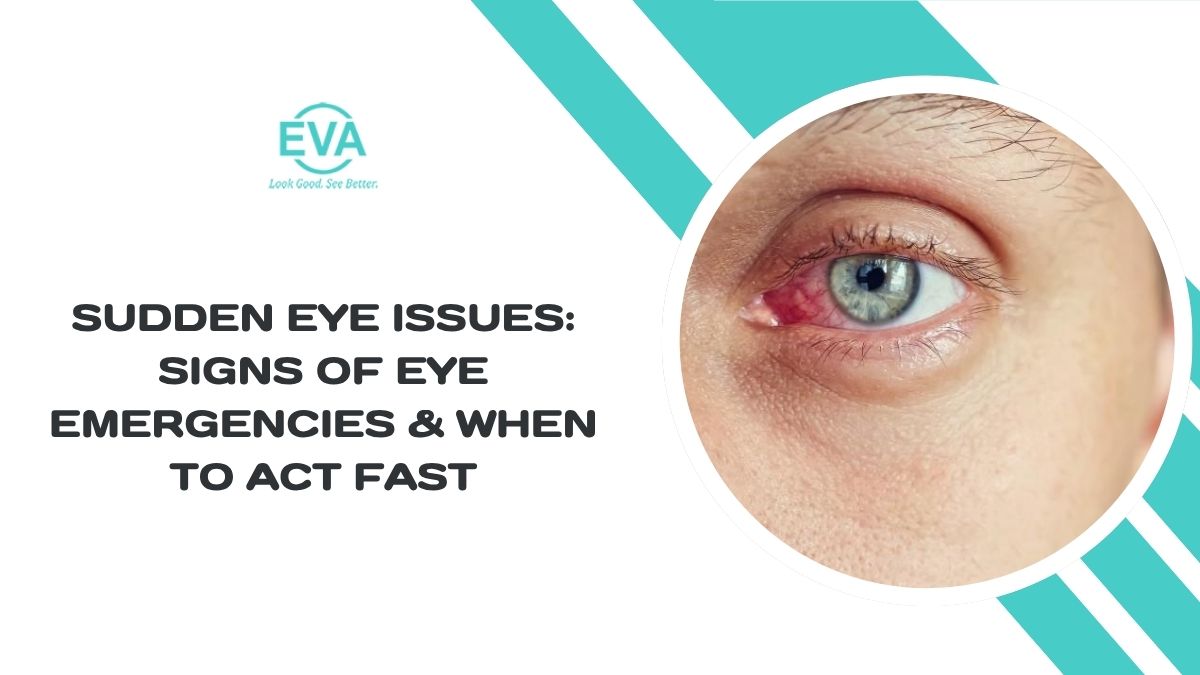
Your eyes are one of the most sensitive and vital organs of your body. While minor eye discomfort is common, sudden eye issues can sometimes signal a serious condition that requires immediate medical attention. Ignoring these warning signs can lead to permanent vision damage or even blindness. That’s why understanding when an eye problem becomes an emergency is crucial.
In this blog, we’ll help you identify serious eye symptoms, their causes, and when you should act fast.
What Are Sudden Eye Issues?
Sudden eye issues refer to unexpected changes in vision or eye health that occur quickly—within minutes, hours, or a day. These can include pain, vision loss, redness, or unusual visual disturbances.
While some symptoms may seem mild at first, they can quickly worsen if left untreated.
Common Signs of an Eye Emergency
Recognizing early warning signs can help prevent serious complications. Here are the most important symptoms you should never ignore:
1. Sudden Vision Loss
If you experience partial or complete loss of vision in one or both eyes, it could be a sign of a serious condition such as retinal detachment or optic nerve damage.
2. Severe Eye Pain
Sharp or intense eye pain is not normal and may indicate:
-
Acute glaucoma
-
Eye injury
-
Corneal infection
3. Flashes and Floaters
Seeing sudden flashes of light or an increase in floaters (tiny spots or threads) may signal retinal problems.
4. Redness with Pain
Red eyes combined with pain, sensitivity to light, or discharge may indicate infection or inflammation.
5. Double Vision
Sudden double vision can be linked to nerve issues or brain-related conditions and should be treated urgently.
6. Swelling Around the Eyes
Swelling, especially when accompanied by pain or fever, could indicate a serious infection.
7. Light Sensitivity (Photophobia)
Extreme discomfort in bright light may be a sign of corneal damage or infection.
Common Causes of Eye Emergencies
1. Eye Injuries
Accidents, chemical exposure, or foreign objects entering the eye can cause immediate damage.
2. Infections
Severe infections can spread quickly and affect vision if not treated promptly.
3. Glaucoma Attack
A sudden increase in eye pressure (acute angle-closure glaucoma) can cause severe pain and vision problems.
4. Retinal Detachment
This occurs when the retina pulls away from its normal position, leading to vision loss if untreated.
5. Digital Eye Strain
Although usually not an emergency, excessive screen use can worsen underlying conditions. You can also read more about this in our guide on the
impact of digital screens on eye health.
What to Do in an Eye Emergency
Knowing how to respond can make a huge difference:
Do This Immediately:
-
Seek medical help from an eye specialist
-
Rinse your eye with clean water if exposed to chemicals
-
Keep your eyes closed and avoid movement if injured
Avoid These Mistakes:
-
Do not rub your eyes
-
Do not use over-the-counter drops without advice
-
Do not delay treatment
When Should You Visit an Eye Specialist?
You should consult an eye specialist immediately if:
-
Vision changes suddenly
-
Pain becomes severe
-
Symptoms worsen rapidly
-
There is trauma or injury to the eye
Early diagnosis and treatment can save your vision.
Prevention Tips to Avoid Eye Emergencies
-
Wear protective eyewear during risky activities
-
Limit screen time and take breaks
-
Maintain proper eye hygiene
-
Avoid touching your eyes with unclean hands
-
Get regular eye check-ups
Conclusion
Sudden eye issues should never be taken lightly. While some problems may seem minor, they can quickly turn into serious conditions if ignored. Recognizing the warning signs and seeking immediate medical care can protect your eyesight and prevent long-term damage.
Your vision is precious—don’t wait for symptoms to get worse. Act fast and consult an eye specialist whenever you notice unusual changes.

